Difference between acute and chronic pain
- acute – normal response to an injury
- chronic – lasting longer than 3 months
Chronic pain management
A pain psychologist (Ted Jones 2014) who has been practicing for 16 years describes pain management as a three legged stool – the interventions that’s done to us, the pharmaceutical where we take the medication, and the active stuff that we have to learn how to do ourselves. He states that most pain management practices start and end with interventions and pharmaceutical. While I don’t agree with his description of a 3-legged stool, what I have learned is that this third leg of the stool – learning how to look after ourselves and being empowered to do this is important and necessary.
I agree with his view that unless you can find the right health professional to help you, most pain management, only focuses on interventions and medications. Good pain management needs to be holistic, balanced, and totally work for you. It works even better if you have control and choices. Only you know what works for you. The best way to know what works, is to stay open and try some things out.
Unfortunately, there is no magic pill and any medication you take is only partly effective if that is all you do. What will make the medication more effective is having a well-rounded pain management plan. You don’t have to sit back and wait. You can make a start on exploring the different techniques and find something that works for you. If you can, work alongside a health professional, or a team of them, to guide and support you.
There are different ways to slice up pain management, but I like the way Victoria Statement Government does in it the BetterHealth Channel. They describe pain management with 5 elements:
1 -Medical
- pharmaceutical and other medical interventions like surgery
- Need adjustment depending on what’s going on. If your pain changes, you need to check with the Dr about how to manage it
2- Physical therapies
- therapies that preserve or improve your strength and mobility
- acupuncture
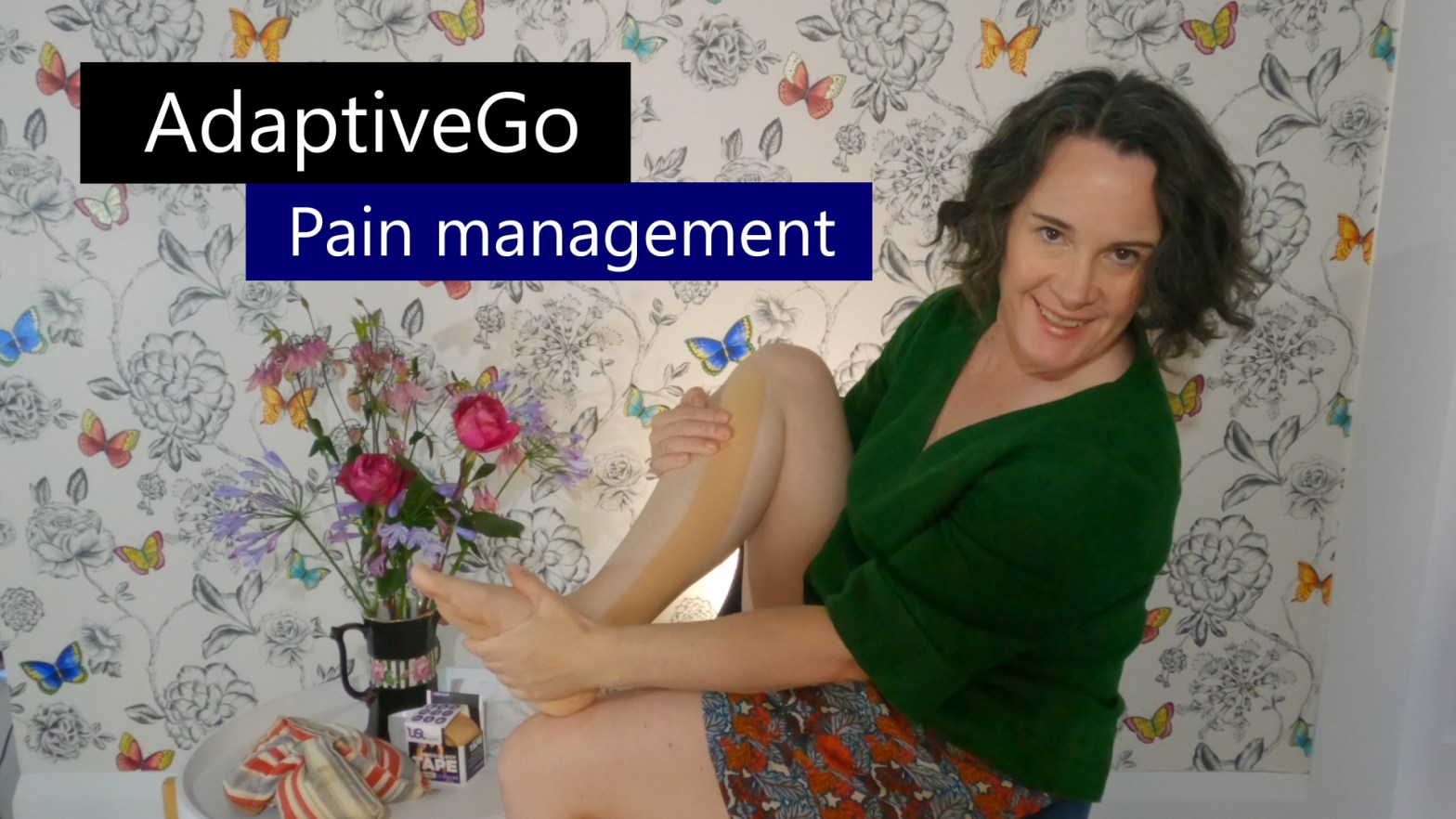
- taping
- therapeutic exercise riding the bike
- stretches
- massage
- heat/cold depending on what works for you
3- Occupational therapies
- therapies that help you learn to perform a range of daily activities in a way that doesn’t aggravate your pain
- using different equipment like a saddle chair
- a trolley for washing or in the kitchen to save you walking or bending
- learning different ways to get up off the floor
- activity pacing
4- Psychological therapies
Unfortunately, it’s true that some pain is partly in your head. That does not mean it isn’t real, or that you’ve made it up. Pain is very real and its really debilitating. But if we skip considering psychological therapies, then we’re missing out on some stuff that can really help. Psychological therapies can help with:
- understanding pain and pain pathways
- understanding how pain is made worse if our headspace isn’t well
- accepting our condition, learning acceptance and not catastrophising
- calming our bodies and our minds
- learning to balance and pace
- learning a wider range of coping techniques than reaching for medication
- helping some people with the anxiety that their condition or injury causes
- recognising and understanding the grief cycle
5- Wellbeing techniques
Wellbeing techniques, such as mindfulness, help. They only help a little bit if you use them as a one off, but they become very powerful when you do them every day and build them into your life. It’s thought that focusing on the mind-body connection helps to cultivate openness and acceptance of pain. Wellbeing or mind-body techniques include:
- stress management techniques – usually some form of mindfulness and/or a meditation
- mindfulness
- gratitude
- meditation or simple repetitive activities like drawing, colouring in, and some crafts like knitting or cross stitch
- progressive muscle relaxation
- good sleep hygiene
- staying connected by joining community support groups or clubs
- keeping on learning – give your brain some food and real distraction from your condition or your pain
- exercise
- volunteering or giving to others
Here’s a link to a plan for you to complete
I worked up a draft plan for you to complete. Even if you already think you have what you need, filling out this table could show where you have some gaps in your pain management plan. If you’re in pain, it’s worth having a look to see if there are some other therapies that you could look at that might help manage it better.
If you want to know more have a look at the video….
Bibliography
Arthritis NZ Pain Brochure https://www.arthritis.org.nz/wp-content/uploads/2019/03/Arthritis-Pain-Brochure-2019R.pdf Sourced 13/11/20
Better Health: https://www.betterhealth.vic.gov.au/health/ConditionsAndTreatments/pain-and-pain-management-adults Sourced 13/11/20
How to apply kinetic tape (or elastic tape). https://www.kttape.com/how-to-apply-kt-tape Sourced 13/11/20
Jones, T (30 May 2014). The 5 Coping Skills Every Chronic Pain Patient Needs. In Practical Pain Management, Vol 14, Issue 1 https://www.practicalpainmanagement.com/treatments/complementary/biobehavioral/5-coping-skills-every-chronic-pain-patient-needs Sourced 13/11/20
Mental Health Foundation of NZ – Five ways to wellbeing https://www.mentalhealth.org.nz/home/ways-to-wellbeing/ Sourced 13/11/20
 AdaptiveGo