
For those of you who don’t know me, I’ve got a type of spondyloarthropathy, which is in my spine, hands and feet, arms and legs. It mostly affects my tendons, where they attach to the bones (enthesitis). I’ve had this disease for about 9 years.
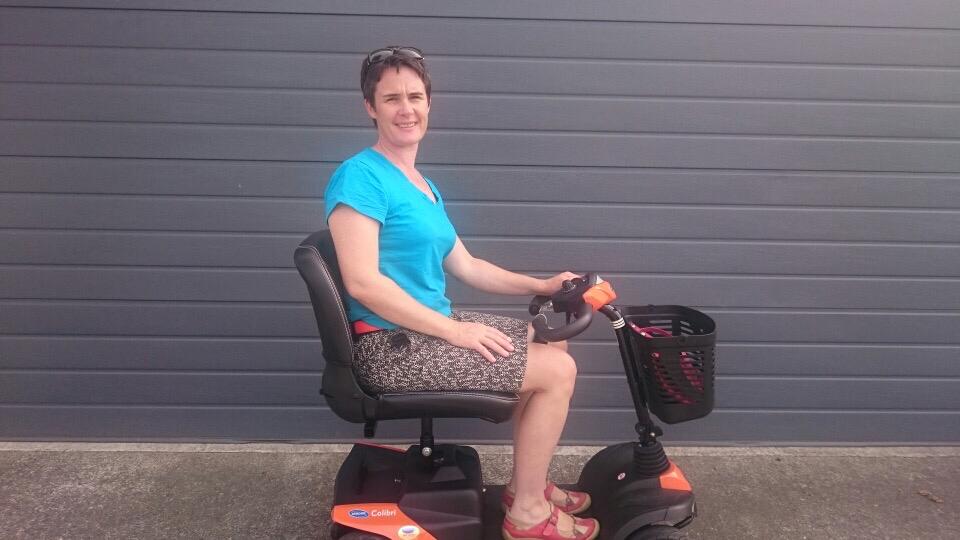
In the past, I often chose to rest on the couch rather than exercise. I was using a lot of kinetic tape and a lot of pain relief. I really felt like exercise would make my disease worse, and too much exercise would bring on a flare, or would make specific tendons worse, sometimes, at random.
I thought it might be helpful for me to tell you about what has worked for me to keep exercising (or to keep moving) as a patient with chronic pain and fatigue in the hope that it might help you. I’d also love to hear from you about what works, so please comment or email me.
For most of us, exercise reduces pain and fatigue
It’s fairly consistent medical advice for most chronic illnesses or injuries that exercise is critical for helping you feel better, that it works as a pain management strategy, that it improves fatigue, and that it should be part of your treatment strategy. Exercising has helped me and it has helped others too:
- in this WheelsToWalking video, Zack “Pitbull” Ruhl says to stop comparing ability and disability and that we all have a sob story. He puts it out there that fitness is the answer to our attitudes, appetite and sleep.
- in her blog The Seated View Lene Andersen discusses the value of seated dance as a way to keep moving and to make her happy.
The Lupus Foundation of America says everyone, including people with Lupus, should do some form of movement therapy for 30 mins 5 times a week. They also share some tips on how to stick with exercise, including adjusting the amount and type of movement depending on how you’re feeling. “There should never be a day when you’re not doing some part of your movement therapy, even if it’s lighter exercise like stretching,” says Wahls MD, clinical professor of internal medicine at the University of Iowa.
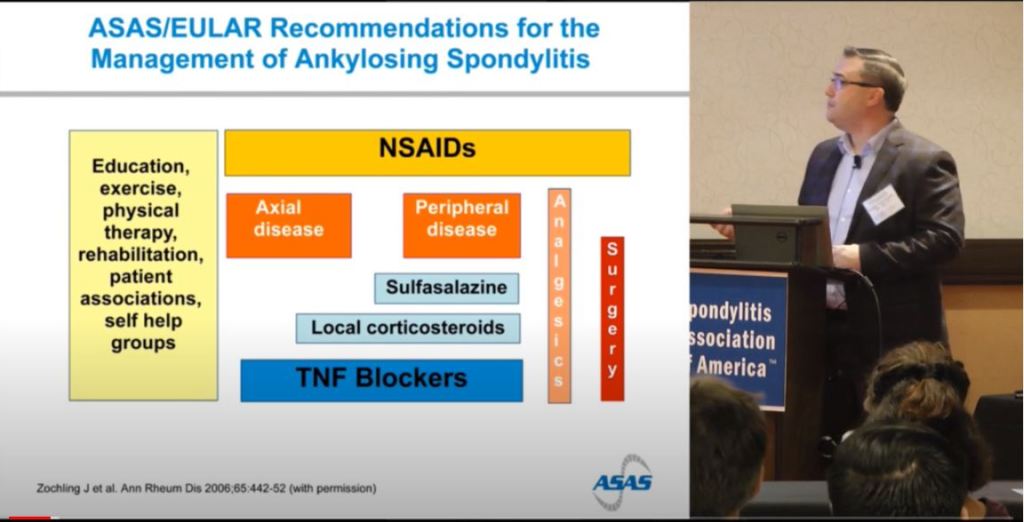
In his presentation to the Spondylitis Association of US Angelo Papchristos shows the clinical benefits of exercises and makes the point that exercise is recommended for osteoporosis, diabetes, osteoarthritis, cardiac conditions, chronic fatigue, depression and fibromyalgia. If you’re unsure about what exercise might mean for your condition, talk to your health professional to make sure the exercise you choose is right for you.
Realistic tips for making exercise stick
How do you make exercise stick when it’s the last thing you feel like doing? Knowing that exercise is good for you wasn’t enough to get me off the couch and overcoming my pain experience. Receiving advice from fitness junkies and sports psychologists seems unrealistic and finding advice from health professionals on how to build a regular exercise regime is difficult.
So, these are my five tips that helped me and hopefully something in here will resonate with you to help you to get off the couch or support you to keep exercising!
Tip 1 you need to choose exercise and you need to commit to it
You need to decide for yourself that exercise will help. It’s your decision to not do it because it hurts, its your decision to continue to believe that exercise will make you worse or bring on a flare. It’s also your decision to choose exercise so that you can live a freer and fuller life. I had to make this decision for myself to change. The research showed me that medication alone would not give me the benefits I was seeking.
Exercise improves your medication effectiveness. I view exercise the same as taking a pill because it will make me feel better. Like some meds, exercise takes time to build up a positive effect improving my movement and reducing stiffness.
Tip 2 Find your source of inspiration and do something you enjoy
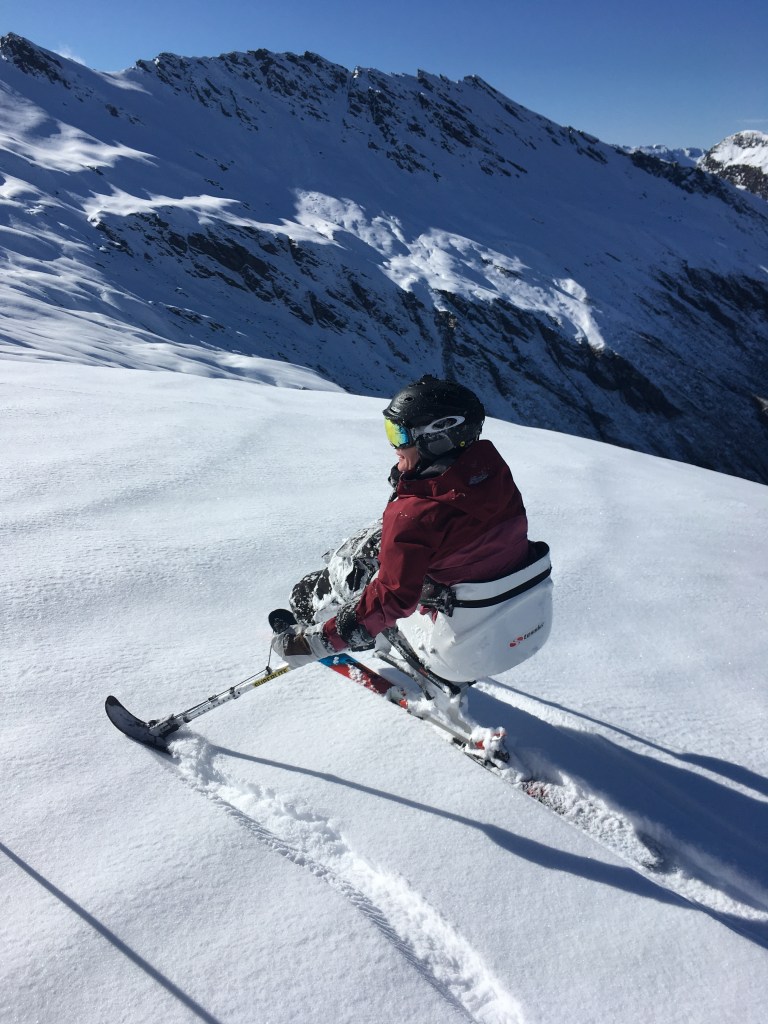
Inspiration and enjoyment is critical to help exercise on the days that you don’t want to. I use sitskiing as my inspiration and in the off-season I focus on being strong enough to be able to continue to sitski. For you it might be independence, it might be playing with your children, it might a different sort of adventure or inspiration. If you’re a goal setter and that works for you, then you might like to set a big goal that you can work towards.
For those of us that have had to give up a lot of things we enjoy, it can be difficult to find new activities that fit and missing my previous activities. It was hard for me and perhaps the biggest block to getting back into exercise. I overcame this by adapting my values. Rather than saying my value is competitive cycling, I thought hard about why I enjoyed cycling. Cycling was freedom, having the wind in my hair going on new adventures. I shifted my values from being a cyclist to freedom and having adventures. Adapting to these new values is opening up a whole world to me and I’ll explore some of these new adventures in future videos. Socialising while you exercise is also a good way to build enjoyment.
Tip 3 Be gentle with yourself
Have flexible timeframes and flexible activities. I have a Plan A for when I’m feeling good. If I’m not feeling great then I go with some low-key Plan B exercises. If I’m having a flare then I go with Plan C which is just stretches for the whole body. I work my exercise in around my day depending on work and kids. This flexibility helps me to do the exercise. I often replace the word exercise with movement. A subtle mind twist that can help me to keep moving. If routine works for you, then use that, but don’t use missing your exercise time as an excuse!
Tip 4 Start small with what you can do now
Your base is what you can comfortably do now. If walking around the block once is comfortable, start there. If it makes you too uncomfortable, then don’t start with that. At my lowest point, when I first started all I could do was stretches. It took me a good 6 weeks before I could do those stretches without my muscles aching like I had given them a good workout. Some simple movement exercises like these might help.
Spondylitis Association of America also has some really good whole body exercises and they show you chair alternatives. These are great whole body exercises and will work for you even if you don’t have arthritis but you just need a place to start.
Tip 5 Get help
Find someone who can help you. Chronic pain and disability from injury or illness is challenging for any health professional to work through. If its hard for them, then its doubly hard for us to do on our own. Find health professionals that can adapt exercises and adapt their knowledge to your situation. You need someone who will persevere and support you even if its tough going and it doesn’t feel like you’re getting any benefit. Keep looking until you find the right person for you. Ask your friends who they use. Don’t give up!
It can take time to find the right person and I found that I needed people from lots of different disciplines to help. I use a physio, and I have also used personal trainers for rehab exercise programmes. I go to a clinical Pilates class so my instructor can give me the adaptions I need. I’ve used a hand therapist to find the right splints for different activities and to strengthen my hands as best we can. The hospital also has physios and hand therapists that your specialist can refer you to.
 AdaptiveGo